
Soft Food Shipping plays an essential role in the modern international food industry. As global demand for specialized nutrition continues to grow, businesses must understand how soft-textured food products are manufactured, stored, transported, and delivered efficiently across borders.
This comprehensive guide explores the global market, logistics strategies, pricing factors, and regulatory requirements involved in international soft food distribution.
What Is Soft Food?
Soft food includes products designed to be easy to chew, swallow, and digest. These typically include:
• Purees
• Mashed vegetables
• Soft-cooked grains
• Yogurts
• Soft cheeses
• Texture-modified medical nutrition products
Such foods are commonly consumed by infants, elderly individuals, and patients with specific dietary or medical needs.
Beyond healthcare settings, this category has expanded significantly into retail, hospitality, and institutional supply chains worldwide.
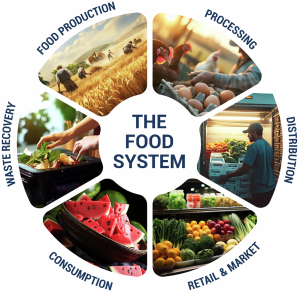
The Growing Global Market for Soft Food
The international demand for soft-textured food products is rising due to:
• Aging populations
• Increased healthcare awareness
• Advancements in food processing technology
• Growth in specialized nutrition markets
As a result, the global soft food trade has expanded, requiring advanced cold-chain logistics and temperature-controlled transportation systems.
Businesses operating in this sector must comply with international food safety standards, labeling requirements, and cross-border trade regulations.
Buying and Selling Soft Food Internationally
International trade in soft food products requires careful coordination between suppliers, distributors, and logistics providers.
Key considerations include:
• Import and export regulations
• Shelf-life management
• Packaging durability
• Temperature control during transit
• Customs documentation
Companies involved in perishable food distribution must ensure regulatory compliance to prevent delays, spoilage, or shipment rejection.
Collaborating with experienced food logistics providers significantly reduces operational risk.

Key Factors When Purchasing Soft Food in Bulk
Commercial buyers should evaluate several factors before placing large orders:
• Product quality and texture consistency
• Supplier production capacity
• Cold storage capabilities
• Packaging integrity
• International freight reliability
Bulk purchasing improves cost efficiency but requires a reliable refrigerated shipping strategy to maintain product safety during transit.
How the Soft Food Supply Chain Operates
The supply chain for soft-textured food products typically includes:
1. Raw material sourcing
2. Food processing and texture modification
3. Packaging and labeling
4. Cold storage management
5. International transportation and delivery
Maintaining cold-chain integrity throughout each stage is critical. Disruptions in temperature control can compromise safety and increase operational costs.
Advanced tracking systems and refrigerated freight solutions improve visibility and supply chain performance.
Shipping Costs and Pricing Factors
Understanding international food transport costs is essential for profitability. Pricing varies depending on:
• Distance and destination
• Transportation mode (air, sea, land)
• Refrigeration requirements
• Customs duties and taxes
• Fuel price fluctuations
Air freight offers faster delivery but higher expenses, while sea freight provides cost efficiency for bulk shipments.
Businesses that negotiate long-term freight agreements and optimize route planning can significantly reduce logistics costs.
International Regulations and Compliance
Each country enforces specific regulations related to food imports and exports. Exporters must comply with:
• Health and safety certifications
• Quality inspections
• Temperature monitoring standards
• Proper labeling requirements
• Customs documentation procedures
Failure to meet compliance standards can result in shipment delays or financial losses.
Working with certified freight forwarders simplifies cross-border procedures and ensures regulatory alignment.
Global Market Trends
The worldwide soft food sector continues to expand alongside international trade growth. However, pricing and logistics are influenced by:
• Fuel cost volatility
• Supply chain disruptions
• Geopolitical conditions
• Advances in cold-chain technology
Companies adopting digital logistics systems, real-time tracking, and automated inventory management achieve greater efficiency and reliability.
Strategic partnerships with specialized logistics providers support scalable international distribution.
The Role of Professional Food Logistics Companies
Specialized food transport providers offer services such as:
• Refrigerated container shipping
• Air freight for urgent deliveries
• Customs clearance assistance
• Real-time shipment monitoring
These services ensure consistent quality, regulatory compliance, and reduced risk for exporters and distributors.