
International Transportation Laws and Regulations: What You Need to Know
International Transportation Laws and Regulations are essential for governing the movement of goods across international borders. Businesses involved in logistics, shipping, and global supply chains must fully understand International Transportation Laws and Regulations to ensure compliance and avoid legal risks.
International Transportation Laws and Regulations define customs requirements, documentation standards, cargo liability rules, and safety protocols. These regulations apply to air freight, sea freight, rail transport, and road transportation.
Failure to comply with International Transportation Laws and Regulations can result in shipment delays, financial penalties, or legal complications. Therefore, companies operating in global markets must stay updated with International Transportation Laws and Regulations to maintain smooth international trade operations.
Planning and Implementing Global Transportation Services

Planning and implementing global transportation services involves more than simply moving goods from one country to another. It requires strategic decision-making, legal awareness, and coordination between multiple stakeholders.
Key elements of effective global transportation planning include:
- Choosing the most suitable transportation mode (sea, air, rail, or multimodal)
- Understanding international transportation laws and regulations
- Preparing accurate shipping and customs documentation
- Managing transit risks and delivery timelines
- Controlling logistics costs and improving efficiency
A well-planned global transportation strategy helps businesses reduce delays, avoid penalties, and maintain customer satisfaction.
International Maritime Transport Rules
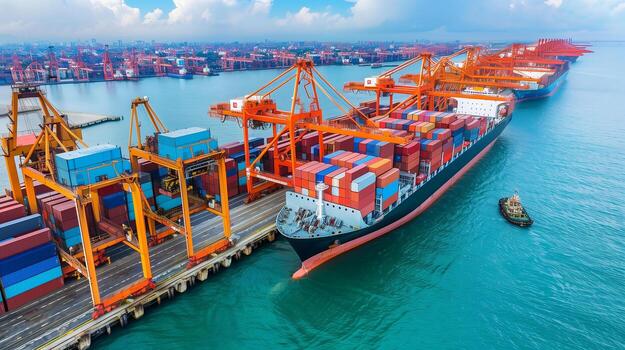
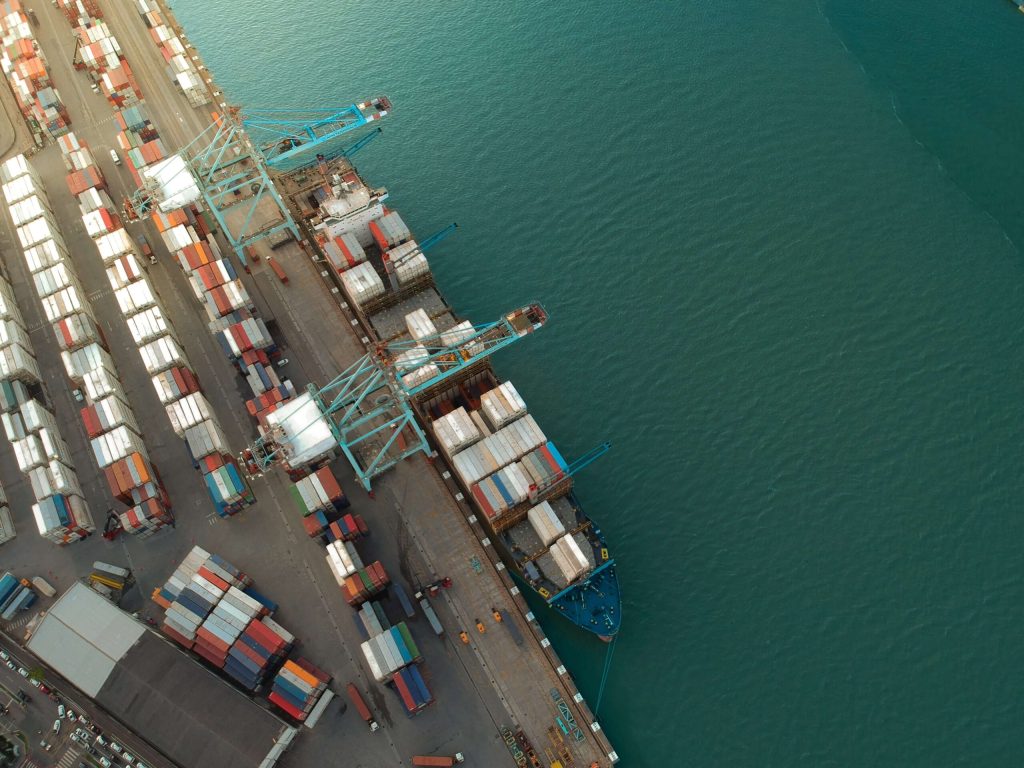
International maritime transport rules are the foundation of global shipping, as maritime transport handles the largest share of international cargo. These rules are designed to ensure safety at sea, protect the environment, and define the responsibilities of carriers and cargo owners.
Some of the most important international maritime regulations include:
- SOLAS (Safety of Life at Sea)
- MARPOL (Marine Pollution Prevention)
- Hague-Visby Rules on carrier liability
- Regulations set by the International Maritime Organization (IMO)
Compliance with international maritime transport rules minimizes operational risks and supports sustainable global trade.
International Air Transport Rules
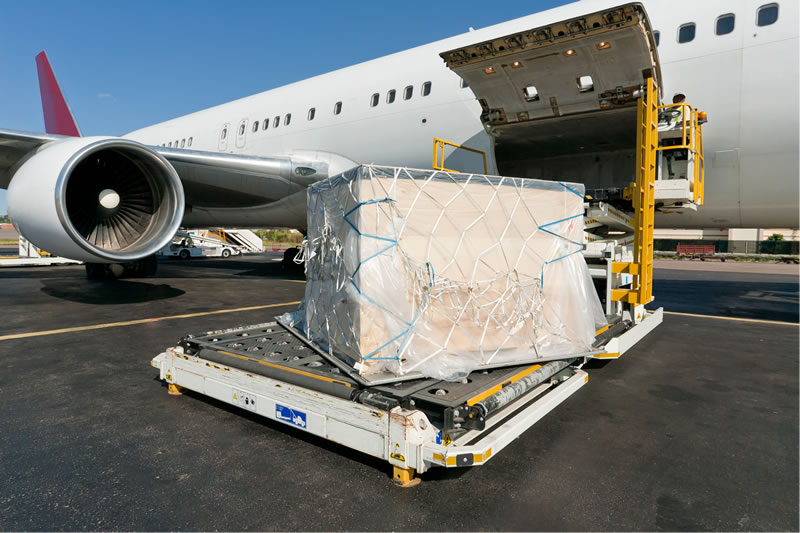
For time-critical and high-value shipments, air freight plays a crucial role. International air transport rules govern safety, liability, and documentation in global air cargo operations.
The main legal frameworks in international air transport include:
- The Warsaw Convention
- The Montreal Convention
- International Air Transport Association (IATA) regulations
- Global aviation security standards
Following international air transport rules ensures faster deliveries, reduced cargo loss, and clear liability management across borders.

International Rules for Land Rail Transport
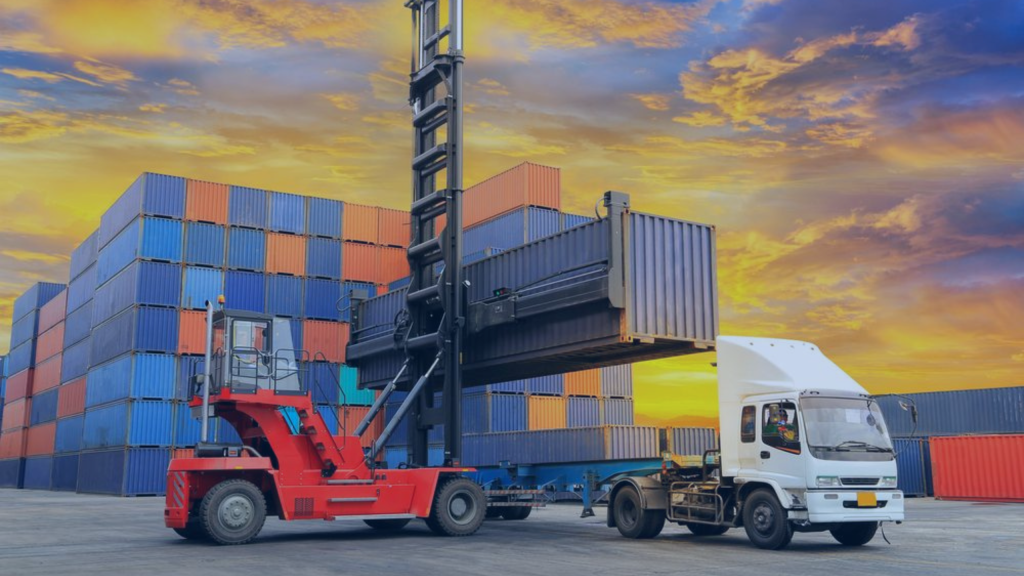
International rules for land rail transport are especially important for regional trade and intercontinental corridors. Rail transport is known for its cost efficiency, reliability, and lower environmental impact.
Key regulations in this area include:
- COTIF (Convention concerning International Carriage by Rail)
- CIM rules for international rail freight transport
- Multilateral rail agreements between countries
- International transit and land transport regulations
Adhering to international rules for land rail transport allows goods to move seamlessly across borders with consistent legal protection.

Why International Transportation Regulations Matter
Ignoring or misunderstanding international transportation laws and regulations can lead to serious consequences, including shipment delays, financial losses, and legal disputes. On the other hand, regulatory compliance provides several advantages:
- Smoother customs clearance
- Reduced operational risks
- Improved supply chain visibility
- Stronger trust with global partners
- Long-term business sustainability
Final Thoughts
Understanding international transportation laws and regulations is a critical requirement for any business involved in global trade. From planning and implementing global transportation services to complying with international maritime transport rules, international air transport rules, and international rules for land rail transport, legal awareness ensures efficiency and reliability in international logistics.
For companies looking to grow in global markets, staying informed about transportation regulations is not just a legal obligation—it is a strategic advantage.